
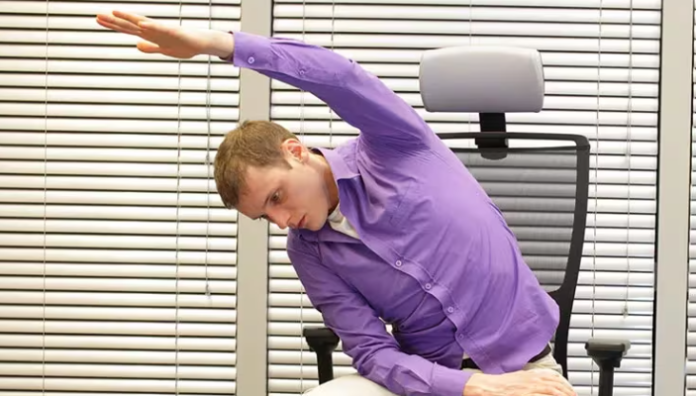


In today’s world, many of us spend more time sitting than ever before — at desks, in the car, or on the couch. Whether you’re juggling work, school or streaming your favorite show, extended periods in a seated position have become commonplace. While this might feel comfortable at the moment, the hidden cost to your body over time can be significant. Prolonged sitting can tighten muscles, weaken key areas like the hips and back, reduce circulation, and contribute to poor posture and discomfort throughout the body.
Luckily, yoga offers a powerful antidote. By incorporating just a few mindful poses into your day, you can actively counteract the physical stresses of sitting and support better mobility, flexibility and overall well‑being. Below are seven yoga postures designed to help undo the effects of too many hours seated — arranged in a flow that starts with gentle movement, builds into deeper stretches, and finishes with relaxation.
1. Cat‑Cow (Marjaryasana–Bitilasana): Warm Up Your Spine
Begin on your hands and knees, aligning your wrists under your shoulders and your knees under your hips. As you inhale, gently arch your back and lift your head and tailbone — this is the “cow” phase. As you exhale, round your spine and draw your chin toward your chest, entering the “cat” portion.
This fluid back‑and‑forth movement awakens mobility in the spine, eases stiffness from slumping or hunching, and helps reconnect breath with movement — a great way to start your practice and prepare your body.
2. Child’s Pose (Balasana): Soften the Lower Back
From hands and knees, bring your knees slightly wider than hips and sit back toward your heels, reaching your arms forward and resting your forehead on the mat. This pose gently stretches the lower back, hips, and thighs, and has a calming effect on the nervous system.
Child’s pose feels especially restorative after sitting, helping release tension that accumulates in the lumbar area.
3. Cobra or Upward‑Facing Dog: Open the Front Body
Lie face down with your palms placed under your shoulders. For Cobra Pose, press into the ground and lift your chest while keeping the tops of your feet on the floor. For a deeper expression — Upward‑Facing Dog — lift not only the chest but also your thighs and hips off the mat, coming into a heart‑opening backbend.
These poses strengthen your back muscles, stretch the chest and hip flexors — areas that tighten from sitting — and encourage better posture.
4. Lizard Pose (Utthan Pristhasana): Loosen Tight Hips
From a low lunge position, bring both palms inside your front foot. Keep your front knee aligned over your ankle and lengthen your spine forward, avoiding rounding in the upper back. Breathe deeply on each side.
Lizard pose offers a deep opening for the hip flexors and groin, challenging flexibility in areas that can become restricted with prolonged sitting.
5. Warrior II (Virabhadrasana II): Strength‑Building and Opening
Step your feet wide apart and rotate your front foot outward, grounding into the back foot with the heel aligned under the arch. Bend your front knee and extend your arms out to the sides, gazing over your front hand.
This standing posture strengthens the legs and core, opens the hips and chest, and improves balance — providing a dynamic contrast to seated positions and building strength where it’s needed most.
6. Figure‑4 Stretch: Ease the Hips and Lower Back
Lie on your back with knees bent and feet flat. Cross one ankle over the opposite knee to form a “4” shape. Gently draw your legs toward your chest, holding behind your hamstring or shin.
Figure‑4 pose specifically targets the glutes and outer hips, relieving tightness and discomfort that often radiates from sitting for extended periods.
7. Supine Spinal Twist: Relax and Reset
Lie on your back with your arms extended out like a “T.” Draw your knees toward your chest and let them gently fall to one side, keeping your shoulders grounded. You can look in the opposite direction of your knees for a deeper twist.
This gentle twist releases tension along the spine, hips, and lower back — leaving you feeling refreshed and more mobile after getting up from sitting.
Why These Poses Matter
Each of these yoga poses targets areas of the body that most feel the strain of sitting: the spine, hips, chest and core. When practiced consistently, these movements can help restore mobility, strengthen supporting muscles, and improve posture — all while encouraging mindful awareness of your body’s needs. Even a short daily routine can make a noticeable difference in how your body feels throughout the day.
Listening to your body is vital. Move comfortably, breathe fully, and avoid forcing any position that feels painful or unsafe. If you have specific health conditions or injuries, consider consulting a healthcare professional before starting a new exercise routine.
By introducing these yoga postures into your regular routine — whether as a break during a long workday, part of your morning stretch, or an evening wind‑down — you can thoughtfully counterbalance the effects of prolonged sitting and support a stronger, more flexible, and more comfortable body.