
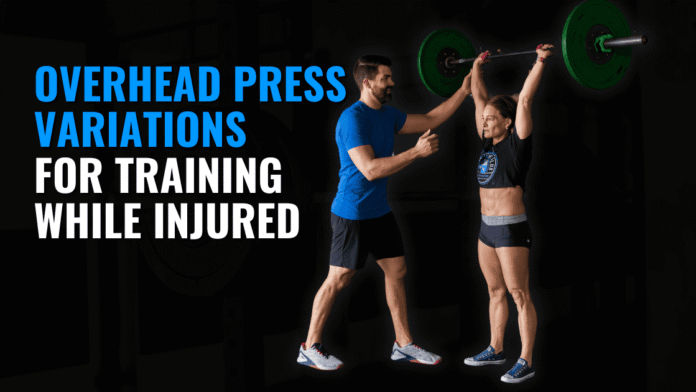


Shoulder pain is one of the most frustrating setbacks for lifters. It can sap confidence, derail progress, and make even simple overhead movements feel dangerous. Yet, pain doesn’t have to mean you stop training entirely. With thoughtful exercise choices and strategic modifications, you can continue to build strength and resilience—even while working around discomfort.
Instead of grinding through a traditional overhead press that aggravates symptoms, try variations that reduce stress on sensitive areas, limit painful ranges of motion, and still give you a meaningful training stimulus. Below are some highly effective options that preserve progress while managing shoulder irritation.
1. Half‑Kneeling Landmine Press: A Joint‑Friendly Starting Point
The half‑kneeling landmine press is a great first step for anyone struggling with shoulder pain. With the bar anchored at one end, this variation shifts the pressing path into a slightly diagonal plane. That subtle angle significantly reduces the overhead lockout position that can trigger shoulder discomfort.
Because the range of motion is more controlled and limited, you can press without pushing into painful positions. As your shoulder tolerance improves, gradually lean further forward and increase the range you’re comfortable using.
2. Incline Close‑Grip Bench Press: Press Strength Without Shoulder Stress
If overhead movement itself is the issue, the incline close‑grip bench press lets you maintain pressing strength while reducing shoulder involvement. The incline angle decreases how much you have to raise your arms above shoulder level, and the closer grip helps minimize stress on the acromioclavicular (AC) joint and rotator cuff.
This exercise still targets your triceps and front deltoids and can be a great way to keep strength in your pressing muscles without chasing pain.
3. Arnold & Filly Press: Rotational Movement with Comfort
The Arnold press starts with dumbbells in front of the shoulders and rotates outward as you press. This rotational pattern often feels easier on the shoulder joint than a traditional strict press, because it lets your arms naturally find a comfortable, pain‑free path.
A unique twist is the Filly press, where one arm holds a kettlebell in the front rack position while the other performs the Arnold press. This alternating action challenges stability and helps build balanced strength in your pressing muscles.
4. Neutral‑Grip Dumbbell Overhead Press: Reduce Joint Torque
Sometimes the issue isn’t how high you press, but how you grip the weights. A neutral grip — where your palms face each other — tends to be more comfortable for many athletes because it reduces internal rotation stress in the shoulder.
By changing the grip, you shift some of the load to more tolerant tissues, allowing you to press overhead with a less irritable joint environment.
5. Pin Press with Bands: Focus on Lockout Strength
For those who experience pain early in the pressing movement (especially from the shoulder being fully lowered), the pin press with bands offers a clever workaround.
Here’s how it works:
- A barbell is set on pins just above head height.
- Long resistance bands are anchored below and attached to the bar.
This setup lets you train only the upper half of the press, where a lot of lifters feel the most comfortable. You avoid the painful bottom range and build lockout power, which can also carry over to gymnastics skills like handstand push‑ups.
6. Push Press: Leg Drive Takes the Strain Off the Shoulders
When the pain is most pronounced during the initial push of a strict overhead press, the push press can be a game‑changer.
By using a slight dip and powerful leg drive, you reduce the demand on your shoulders at the start of the movement. You can load the bar more heavily than you could in a strict press, getting an effective overhead stimulus without digging into irritated ranges.
7. Bottoms‑Up Kettlebell Press: Build Stability and Control
This variation flips the traditional kettlebell press on its head—literally. Holding the kettlebell upside down requires an intense focus on stability and shoulder control.
Because you use lighter weights and move more slowly, this version doesn’t usually translate directly to heavy barbell strength. Instead, it’s ideal for rehabbing shoulder stability and improving coordination, particularly if instability is part of what’s causing pain.
Keep Progressing Without Halting Progress
Shoulder pain doesn’t have to mean the end of your pressing journey. In many cases, it’s simply a signal to adjust how you train, not to stop training entirely. By choosing variations that accommodate your limitations while still challenging your muscles, you can build strength, protect your joints, and stay on track with your goals.
If pain persists or limits daily function, working with a knowledgeable physical therapist or strength coach can help tailor these modifications even further to your individual needs.