
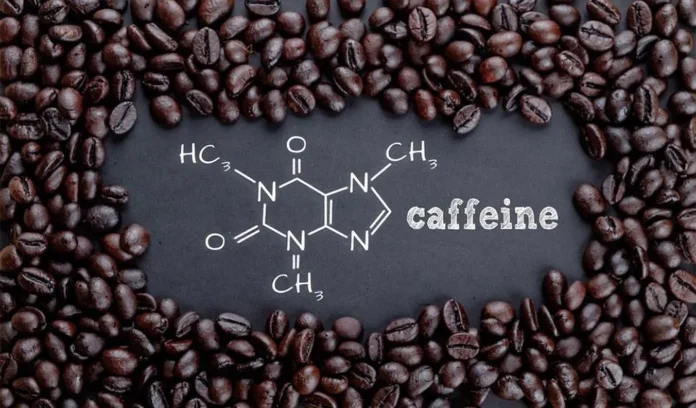


Caffeine is one of the most familiar substances in the world. Whether it’s the first cup of coffee that jumpstarts your morning or the mid‑afternoon tea that keeps you alert, caffeine’s effects are woven into daily life for millions. But caffeine isn’t just a simple pick‑me‑up — it’s a biologically active compound with real effects on the body and brain. Understanding how caffeine works, its benefits, and its risks can help you enjoy it wisely.
What Caffeine Is and How It Works
Chemically speaking, caffeine is a stimulant that acts on the central nervous system. It works mainly by blocking receptors for adenosine — a compound in the brain that promotes sleepiness. By doing so, caffeine prevents that sleepy signal from taking effect, which leads to increased alertness and wakefulness.
Because it affects adenosine and other neurotransmitters, caffeine influences attention, mood, and even reaction time. That’s why many people feel clearer, sharper, and more focused after a cup of coffee or tea.
The Benefits of Moderate Caffeine Consumption
1. A Mental Boost
One of the most recognized advantages of caffeine is its ability to enhance mental performance. By reducing feelings of fatigue and increasing alertness, caffeine can help people stay attentive and improve reaction times, especially when they’re tired.
2. Possible Links to Longevity and Health Protection
Several large observational studies — including ones where habitual coffee drinkers were followed over many years — suggest that moderate coffee consumption is associated with lower risks of death from several major causes, including heart disease and stroke. Drinking about two to three cups of coffee (usually equivalent to around 200–300 mg of caffeine) has been correlated with a lower risk of all‑cause mortality and cardiovascular deaths compared with not drinking coffee at all.
Other research hints that compounds in coffee and tea — many of them antioxidants — may be part of why these benefits exist. These compounds could play roles in reducing inflammation and protecting cells from damage over time.
3. Enhancing Physical Performance
Caffeine has also been shown to improve exercise performance in certain contexts. Athletes and fitness enthusiasts often use it to increase endurance or strength output by stimulating adrenaline and boosting energy availability.
How Much Is Too Much? – Safe Daily Limits
For most healthy adults, consuming up to about 400 mg of caffeine per day — roughly the amount in three to four cups of coffee — is considered safe. People who are pregnant or breastfeeding are generally advised to keep their intake to no more than about 200 mg per day.
But it’s important to remember that sensitivity varies. Some people feel jittery or anxious with smaller amounts, whereas others tolerate more with fewer side effects.
Common Side Effects and Downsides
While caffeine has benefits, it also brings potential drawbacks — especially when consumed in large amounts or later in the day.
1. Sleep Disruption
Caffeine’s stimulant effect isn’t fleeting. It can remain active in the body for several hours, meaning that consuming it in the afternoon or evening can make it harder to fall asleep or achieve restorative sleep. In some studies, even doses taken in the morning were linked to poorer deep sleep later that night.
2. Increased Heart Rate and Blood Pressure
Caffeine can temporarily raise blood pressure and heart rate. For most people this isn’t dangerous, but individuals with unmanaged hypertension or cardiovascular issues should be attentive to how caffeine affects them.
3. Anxiety and Nervousness
In higher doses, caffeine can overstimulate the nervous system, leading to feelings of anxiety, restlessness, or trembling — symptoms sometimes called “caffeine jitters.” People predisposed to anxiety disorders may be especially sensitive.
4. Dependence and Withdrawal
If you regularly consume caffeine, your body may adjust to its effects. Stopping suddenly can lead to withdrawal symptoms like headaches, fatigue, and irritability. These effects are not typically dangerous but can be uncomfortable.
5. Rare but Serious Risks
Although uncommon, extremely high doses of caffeine — especially from concentrated supplements or powders — can lead to serious problems, including heart rhythm disturbances and caffeine toxicity. Such levels are far above what most people consume from beverages.
Who Should Be More Cautious?
Certain groups may need to be especially mindful of caffeine intake:
- Pregnant and breastfeeding women, due to possible effects on fetal growth.
- Children and adolescents, whose developing brains and bodies are more sensitive.
- Those with anxiety or sleep disorders, for whom caffeine can worsen symptoms.
In these populations, lower limits or avoidance may be advisable.
Practical Tips for Smart Caffeine Use
To maximize benefits and minimize negative effects:
- Enjoy caffeine earlier in the day to protect your sleep cycle.
- Pay attention to your total daily intake from all sources — including coffee, tea, soda, energy drinks, and even chocolate.
- Keep added sugars and creamers to a minimum if you’re looking for health benefits rather than just flavor.
- If you notice negative symptoms, consider lowering your intake and observing how your body responds.
A Balanced Perspective
Caffeine isn’t inherently “good” or “bad.” For many, moderate consumption is part of a healthy lifestyle and may be linked with a range of benefits, from improved alertness to potential reductions in the risk of certain chronic conditions. But like many things, moderation and awareness are key. Pay attention to how your body reacts, and make adjustments that support your own well‑being and daily functioning.