


When it comes to running faster, the question often arises: Is there a perfect running form? The honest answer is no—not exactly. Running is a deeply personal activity, and what works like magic for one runner might feel awkward or inefficient for another. However, this doesn’t mean you’re stuck with your current pace or technique. You can absolutely improve your running efficiency, speed, and overall enjoyment by discovering the best stride and form for you.
In this guide, we’ll explore practical form tips and targeted drills that will help you unlock a quicker, smoother run—without chasing an unrealistic “perfect” style.
The Myth of Perfect Form
Many runners fall into the trap of chasing a flawless running form based on elite athletes or viral videos. The truth is, there’s no one-size-fits-all blueprint. Your body’s unique structure, flexibility, and strength influence how you run best.
Instead of aiming for perfection, focus on efficiency and comfort. The ideal running form allows you to conserve energy, reduce injury risk, and maximize forward momentum.
Key Elements of Efficient Running Form
While individual differences abound, most effective runners share a few core traits in their form. These basics provide a solid foundation for faster, safer running.
1. Posture: Stay Tall and Relaxed
Imagine a string pulling you up from the crown of your head. Good posture means keeping your spine long and your chest open without leaning too far forward or backward. A slight forward lean from the ankles—not the waist—helps use gravity to propel you.
Keep your shoulders loose and avoid tension in your neck or jaw. Tension wastes energy and can throw off your rhythm.
2. Arm Movement: Controlled and Purposeful
Your arms aren’t just decorations; they’re critical for balance and rhythm. Keep elbows bent around 90 degrees and swing your arms forward and back—not across your body. The movement should be relaxed but deliberate, helping to drive your legs.
Avoid clenching fists; instead, hold your hands gently, like you’re lightly holding an egg.
3. Foot Strike: Find What Works for You
There’s debate about heel, midfoot, or forefoot striking, but the consensus is to avoid heavy braking forces. Ideally, your foot should land underneath your center of gravity to minimize impact and keep you moving forward.
Experiment to see which strike feels natural and efficient. Overstriding (landing too far ahead) is a common culprit of wasted energy and injury.
4. Cadence: Keep a Quick, Steady Rhythm
Cadence is the number of steps you take per minute. Many coaches recommend aiming for around 170 to 180 steps per minute to optimize efficiency. A quicker cadence reduces ground contact time and helps prevent overstriding.
You can measure your cadence using a running watch or smartphone app and gradually increase it through focused drills.
Drills to Improve Your Running Form and Speed
Incorporating specific drills into your routine can reprogram your muscles and reinforce good mechanics. Try these simple exercises 2-3 times per week to build better habits:
1. High Knees
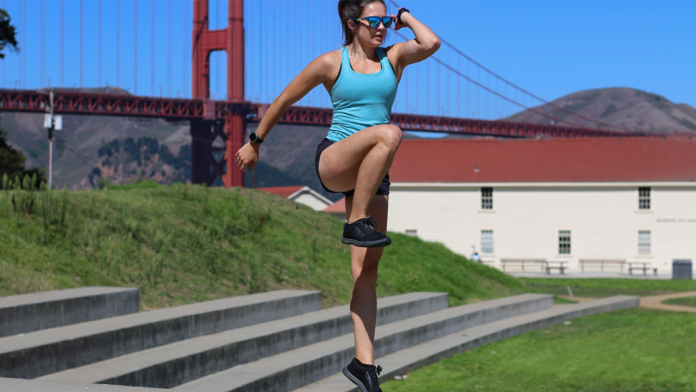
Lift your knees up toward your chest with each step, focusing on quick foot turnover and strong arm drive. This drill strengthens hip flexors and promotes a higher cadence.
Perform for 20-30 seconds in 2-3 sets.
2. Butt Kicks
Kick your heels up toward your glutes while running in place or moving forward. Butt kicks improve hamstring strength and encourage a faster leg recovery phase.
Try 20-30 seconds, 2-3 sets.
3. Bounding
Take exaggerated, powerful strides with a strong push-off, focusing on height and distance. Bounding helps develop explosive strength and teaches you to propel yourself efficiently.
Run 20-30 meters for 3-4 repetitions with rest between.
4. A-Skips
A skipping motion with high knees and ankle dorsiflexion, A-skips improve coordination and running mechanics. This drill enhances your leg lift and foot placement.
Do 20-30 meters for 2-3 reps.
Small Changes, Big Results
Remember, improving your running form is a gradual process. Drastic changes overnight can lead to injury or frustration. Instead, focus on one or two adjustments at a time and incorporate drills progressively.
Also, listen to your body. If a tweak causes pain or discomfort, reassess and try a different approach.
Final Thoughts: Your Best Stride Is Yours to Discover
Running faster isn’t about mimicking someone else’s form. It’s about finding a rhythm and style that fits your body and goals. By focusing on good posture, efficient arm and leg mechanics, optimal foot strike, and cadence, combined with regular form drills, you’ll set yourself up for faster, more enjoyable runs.
So lace up, keep experimenting, and enjoy the journey to your best stride.